October 12, 2026
In the world of home and office comfort, HVAC systems play a critical role, ensuring optimal temperatures throughout the year. However, like any other complex system, they require regular upkeep to function efficiently. This article explores why annual maintenance is not just beneficial but essential for avoiding costly HVAC repairs.
Understanding the Basics of HVAC Systems
The Role of HVAC Systems in Home Comfort
HVAC systems are the backbone of comfortable indoor climates, controlling temperatures regardless of external weather conditions. They serve as the primary means of heating and cooling, providing essential air regulation. Without an efficient HVAC system, residential and commercial buildings could become intolerable during seasonal extremes. The ability to maintain a steady indoor climate is crucial for health, productivity, and overall well-being. Hence, understanding the fundamental role of HVAC systems helps highlight their indispensable nature.
Their functionality extends beyond mere temperature regulation; they also contribute to better air quality by filtering airborne particles. HVAC systems are designed to manage ventilation, which is crucial for replenishing indoor air and removing stale air. This aspect is particularly important in urban environments where pollutants can easily infiltrate indoor spaces. Beyond comfort, these systems support health by minimizing exposure to potential allergens. Thus, their efficiency is vital to maintaining a healthy living and working environment.
While we often take the comfort provided by HVAC systems for granted, their internal mechanisms are complex. These systems encompass various components that work in harmony to deliver consistent comfort. Regular maintenance ensures that each component operates at its optimal capacity, reducing strain and preventing premature failure. According to HomeGuide, scheduling at least an annual visual inspection by an HVAC technician is essential to catching potential issues early. Therefore, appreciating the complexity of HVAC systems underscores the necessity of routine maintenance.
Components of a Typical HVAC System
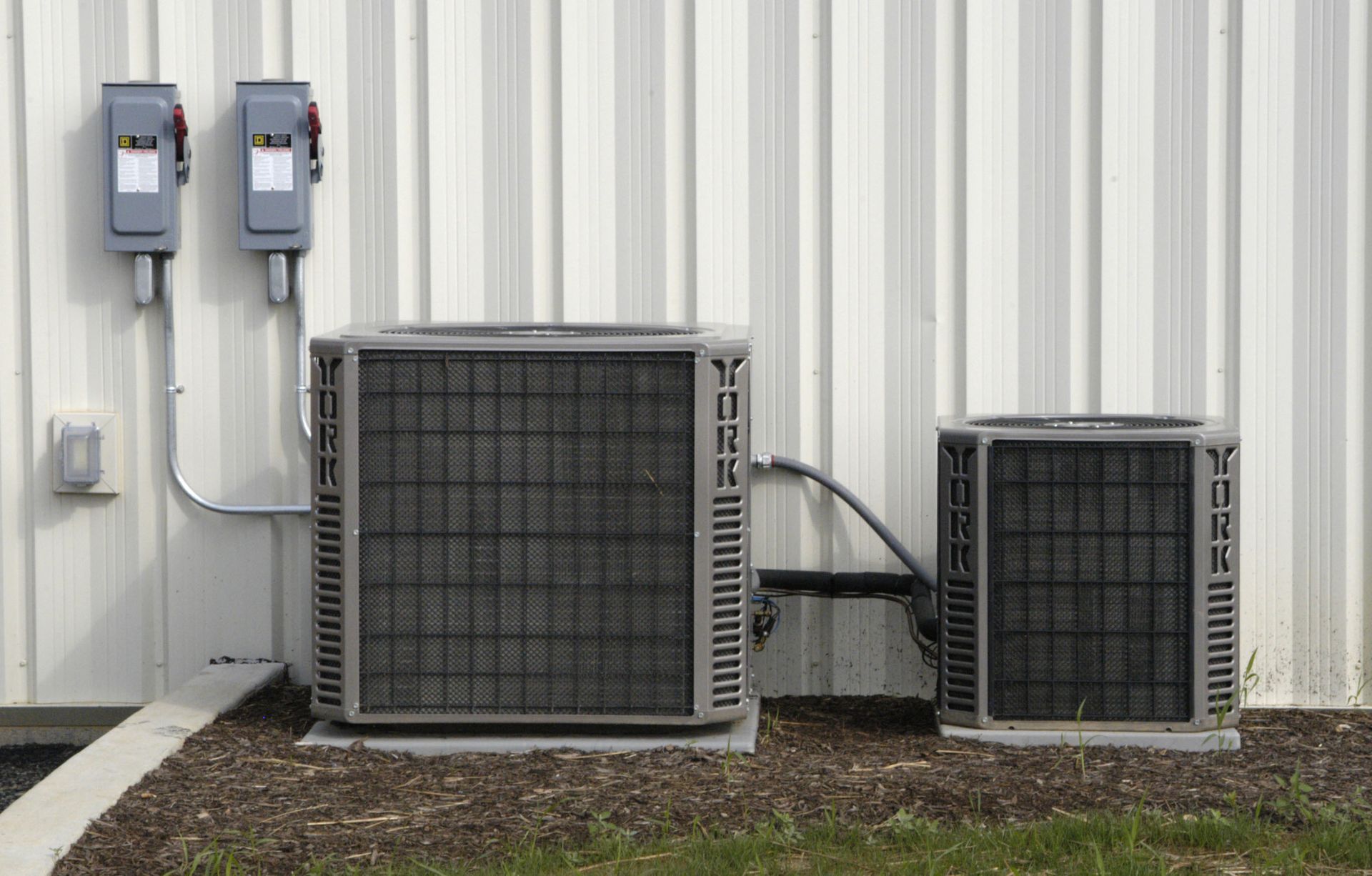
An HVAC system comprises several vital components, each serving a specific function to maintain a comfortable internal environment. Key elements include the furnace, heat pump, air conditioning unit, ductwork, and thermostat. The furnace is responsible for generating heat, typically utilizing gas or electricity. Heat pumps, conversely, transfer heat between the interior and exterior to maintain desired temperatures. Ductwork acts as the conduit through which conditioned air is distributed throughout a building.
The air conditioning unit is crucial for cooling the indoor air during warmer months, removing humidity and heat. It operates using a refrigeration cycle, facilitating the transfer of heat from the indoor space to the outside. Each component must work efficiently to prevent breakdowns and maintain peak performance. The thermostat acts as the system's control center, enabling users to set the desired temperature. Understanding the interplay of these components illustrates why each requires care and regular maintenance.
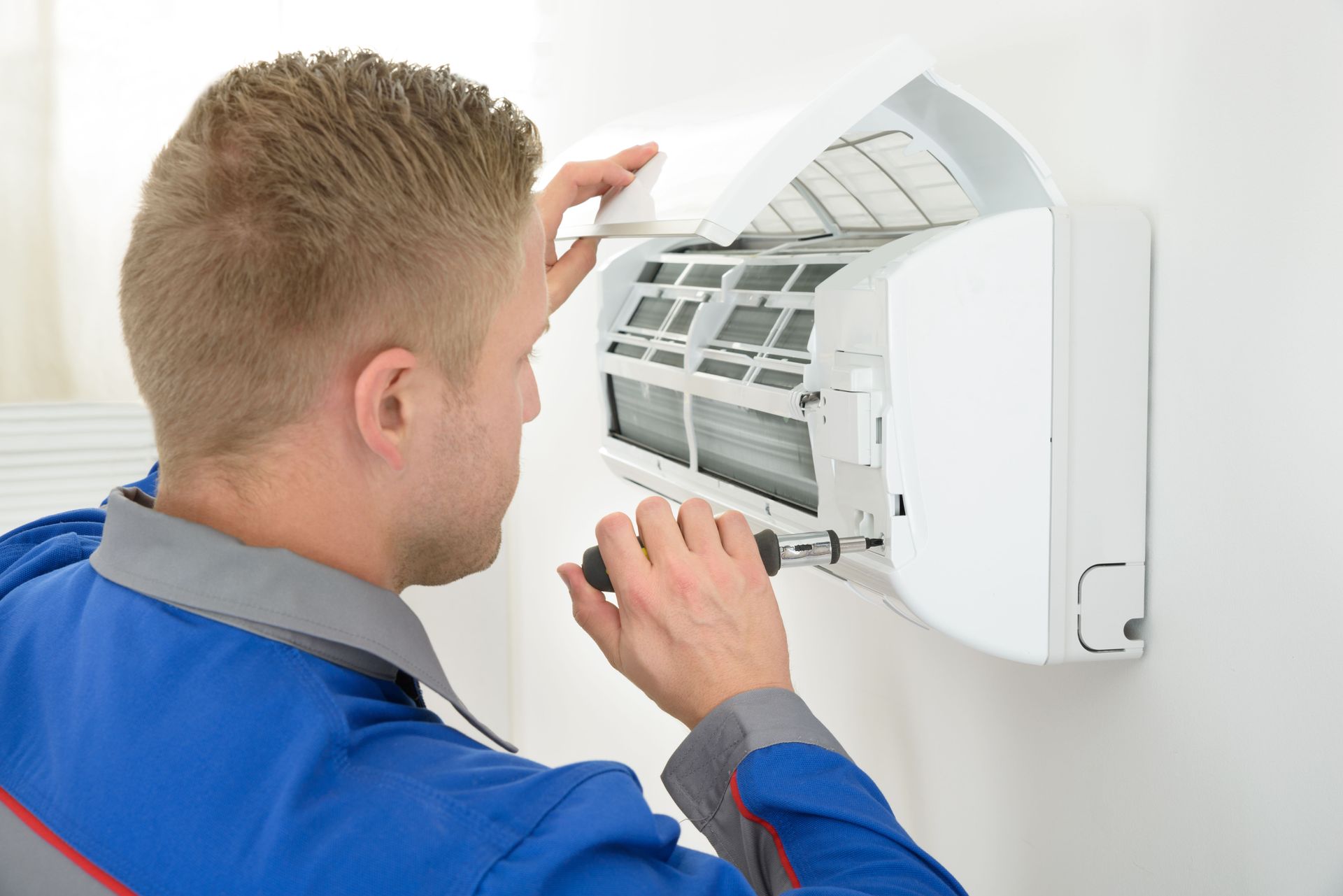
Regular inspections and maintenance ensure that HVAC components function harmoniously and efficiently. Any disruption in one component can trigger a cascade of problems across the entire system. Technicians perform routine checks to identify wear and tear, potential malfunctions, and energy inefficiencies. By addressing minor issues before they escalate, regular maintenance extends the life of each component. As such, the cost of maintaining these components is minimal compared to replacing or repairing them after a major failure.
Common Issues Faced by HVAC Systems
HVAC systems may encounter a variety of problems, many stemming from lack of maintenance and aging components. One common issue is reduced efficiency owing to clogged filters or blocked vents, which restrict airflow and strain the system. This can result in uneven heating or cooling, increased energy consumption, and higher utility bills. Leaks, especially refrigerant leaks, are another frequent problem that can impede the cooling process and damage the system. Malfunctioning thermostats can lead to poor temperature regulation and significant discomfort.
Electrical issues such as tripped breakers or blown fuses can disrupt the HVAC system’s operation entirely. These problems can stem from poor wiring or overworked circuits, indicating deeper systemic issues. Beyond mechanical and electrical problems, condensation drainage issues can create water damage or encourage mold growth. Routine maintenance is vital in identifying these potential issues early, minimizing the risk of serious damage. Regular inspections can significantly reduce unexpected breakdowns and ensure system reliability.
Addressing these common issues promptly is crucial for sustaining an HVAC system's efficiency and longevity. Regular maintenance checks and timely repairs prevent minor issues from evolving into costly repairs or total system failures. Adopting proactive maintenance strategies helps detect potential issues during their nascent stages. HomeGuide emphasizes that annual visual inspections by qualified HVAC technicians can forestall many expensive future problems. Consequently, anticipating and dealing with these problems early provides peace of mind and extensive long-term savings.
The Cost Implications of HVAC Failures
The financial implications of HVAC failures can be significant, impacting both repair costs and energy efficiency. When a system breaks down, the urgency to restore comfort often results in expensive emergency repair calls. In severe cases, component replacement could be necessary, further escalating costs. Aging systems without regular maintenance may consume more energy, leading to increased electricity bills. Hence, neglecting preventive maintenance can translate into substantial financial strain over time.
In addition to immediate repair costs, continuous HVAC failures can lead to cumulative energy inefficiencies. Systems that struggle to heat or cool spaces adequately draw more power, which directly impacts utility expenses. Facilities with multiple breakdowns might require entire system overhauls, necessitating substantial investments. Moreover, frequent failures could diminish the property’s appeal to potential buyers or tenants. Consequently, the reliability of HVAC systems plays a critical role in the overall economic valuation of a property.
Investing in regular maintenance mitigates these financial risks by ensuring systems operate efficiently and effectively. Annual maintenance agreements are relatively affordable compared to unexpected repair bills. Consistent inspections and tune-ups help identify and rectify inefficiencies before they expand into significant problems. In doing so, property owners enjoy a steady and manageable operational budget. Hence, the upfront costs of routine maintenance are justified by the avoidance of excessive repair expenses.
Why Maintenance is Often Overlooked
Despite its importance, maintenance is frequently overlooked due to misperceptions about its necessity. Many homeowners may view HVAC systems as self-sufficient until they visibly malfunction. This belief is fueled by misconceptions that new systems need less attention, disregarding the benefits of sustained efficiency. The cost of routine maintenance is also perceived as avoidable, leading some to gamble on the durability of their systems. Unfortunately, this short-term thinking often culminates in expensive, unexpected repairs.
Lack of awareness and technical understanding can contribute to the oversight of regular maintenance. The complexity of HVAC systems might deter comprehensive self-inspection, leaving many issues undetected. Without visible problems, the urgency for professional help diminishes, resulting in complacency. Homeowners may also underestimate how regular inspections can enhance system performance and longevity. By ignoring maintenance schedules, systems incur more wear and tear, eventually culminating in avoidable breakdowns.
Addressing these misconceptions requires increased education on the critical role of maintenance. Informing property owners about the cumulative cost savings and energy efficiency can help shift perceptions. Service providers should emphasize the long-term financial benefits of regular maintenance routines in their communications. According to HomeGuide, consistent visual inspections from certified HVAC professionals are effective in preventing expensive mishaps. By appreciating maintenance as an investment rather than a cost, property owners can prioritize it appropriately. Be sure to reach out to Smith's Heating & Cooling TN today to learn more about our professional HVAC repairs!